

Guide Every Attendee Before the Event Even Begins.
Sidekick Spark is the fastest way to give your attendees a smart, personalized event experience. Embed it on your existing site with one line of code. No app download. No implementation project. Free to try.
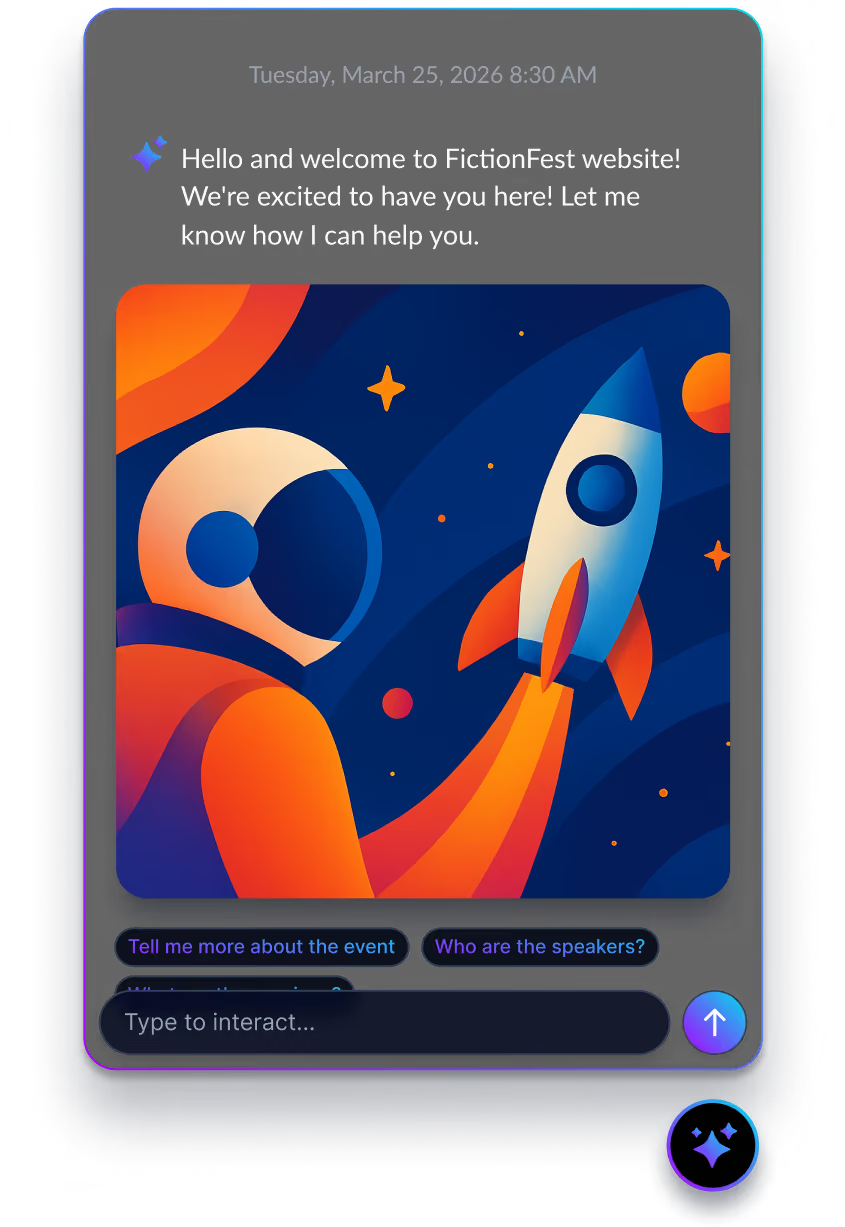









Chatbots answer questions. Sidekick drives your event experience.
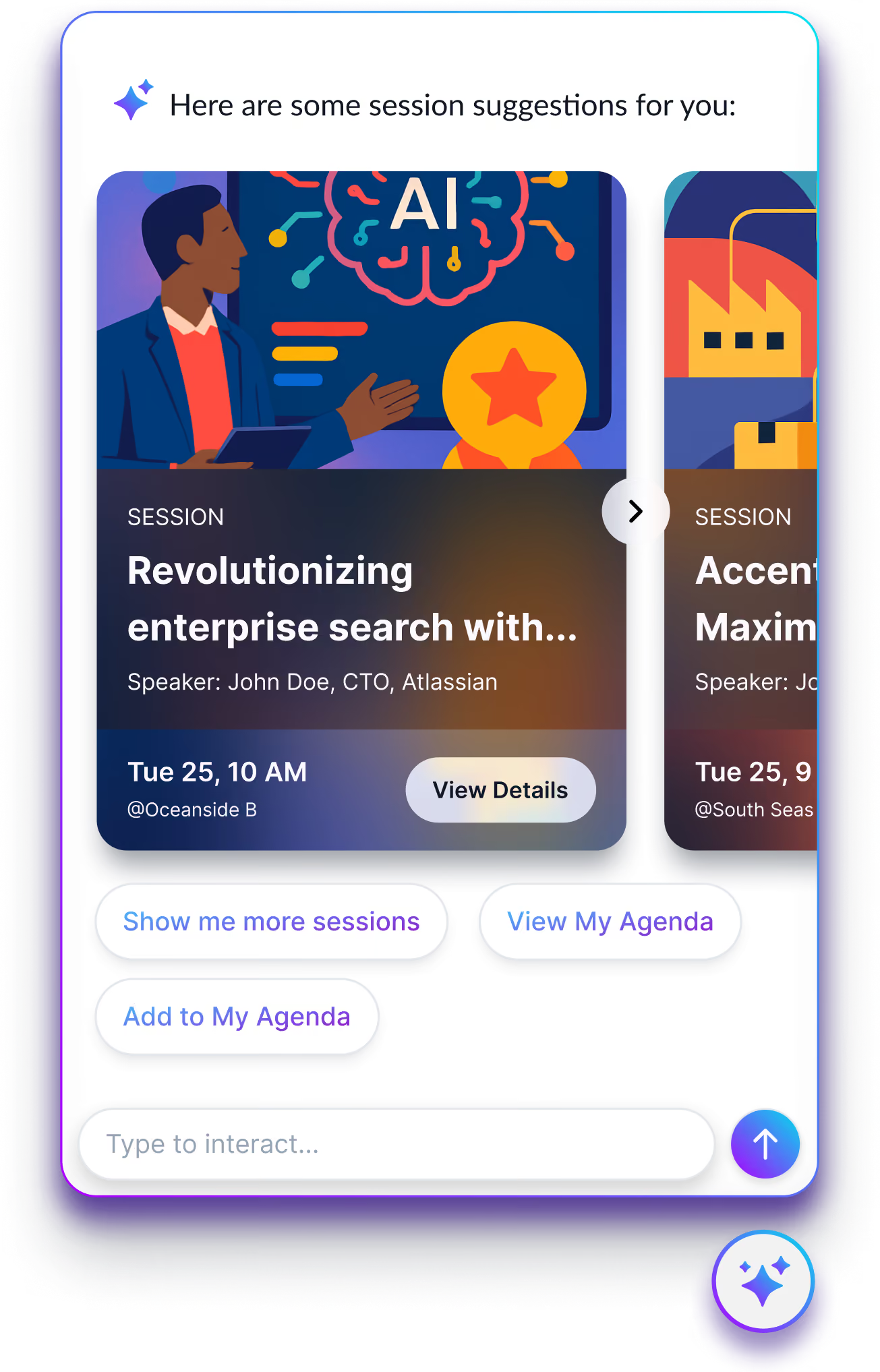
Your Attendees Deserve More Than a Static FAQ.
Attendees land on your event website weeks before showtime with real questions. Right now, they either dig through a static FAQ, email your team, or give up. That's not a small problem. It's the first impression your event makes. Spark turns that missed window into your best attendee touchpoint.
Live On Your Site in Three Steps
Every event app tells attendees what's happening. Sidekick tells them what to do next.
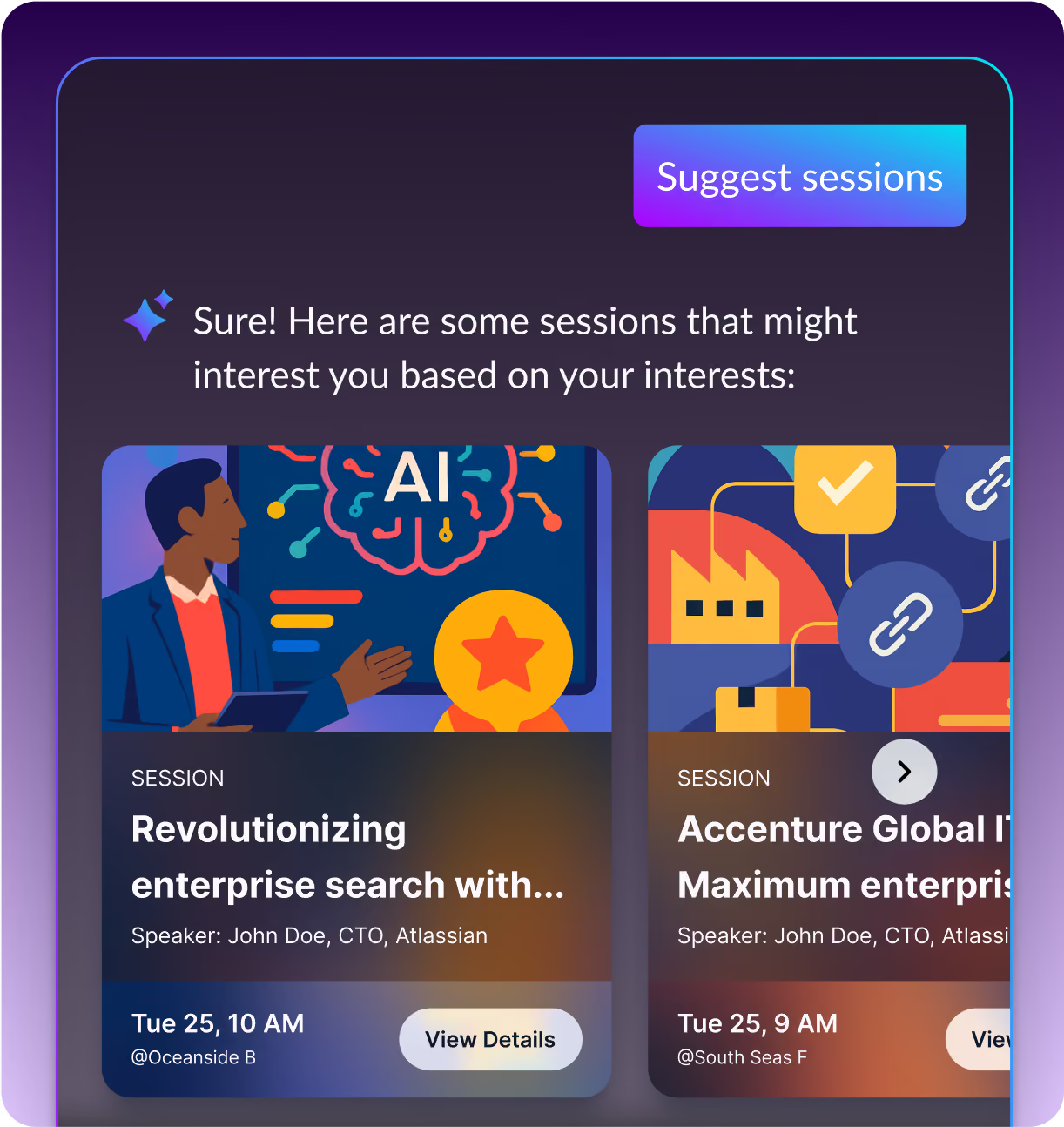
Why Sidekick Spark?
Spark helps attendees arrive prepared, confident, and ready to get more from your event.
Spark gives attendees personalized, event-specific guidance before they have to search, scroll, or ask.
Living directly on your event website, Spark works alongside your existing tech stack to help attendees:
The result, a better pre-event experience for attendees and more visibility for everything your team has built.
Event Teams That Stopped Doing It The Hard Way
Frequently Asked Questions
What is Sidekick Spark?
Sidekick Spark is an AI-powered event companion that lives directly on your event website. It helps attendees find information, discover relevant content, and get personalized guidance before and during the event without requiring them to download an app.
How is Spark different from the chatbot we already have?
Traditional event chatbots typically wait for attendees to ask a question. Spark is designed to be more proactive, using event context to surface relevant information, recommendations, and next steps throughout the attendee journey.
Do attendees need to download an app to use Spark?
No. Spark is web-based, so attendees can access it directly from your event website. That makes it especially useful before the event begins, when attendees may not have downloaded or started using an event app yet.
When can attendees use Sidekick Spark?
Spark can support attendees before the event and continue helping them as the event gets underway. It can answer questions, surface important information, and guide attendees while they plan and navigate their event experience.
What kinds of questions can Sidekick Spark answer?
Spark can help attendees with event-specific questions about sessions, speakers, schedules, locations, logistics, registration information, and other content you make available within the experience.
How does Sidekick Spark personalize the attendee experience?
Spark can use attendee and event context to make its guidance more relevant. Depending on your setup, that can include information such as an attendee’s profile, agenda, interests, and where they are in their event journey.
What content does Spark need to get started?
Spark can get started with the event information you already have, including your website, agenda, session details, speaker information, FAQs, logistics, and other attendee-facing content. It can run effectively with this basic information from day one, then become even more useful and event-specific as you add more context. The more Spark knows about your event, attendees, and content, the smarter and more relevant its guidance becomes.
How long does setup actually take?
Spark is designed to be fast to launch. Event teams can add their event content, configure the experience, and get Spark ready without a lengthy implementation process. Exact setup time depends on the amount and complexity of your event content, but Spark is built for teams that want to launch an AI-powered attendee experience quickly.
Can Sidekick Spark work with my existing event website?
Yes. Spark is designed to extend the attendee experience on the web, allowing you to add AI-powered event guidance to the website or digital experience your attendees are already using.
We’re already using Cvent, Bizzabo, or Swoogo. Does Spark conflict with that?
No. Spark is designed to complement the event technology you already use, not replace your registration platform or event website. It adds an AI-powered attendee layer to the experience while your existing systems continue to manage registration, event data, and other core workflows.
How do credits work?
Spark uses credits based on usage of the AI experience. Your plan includes a set amount of usage, and credits are consumed as attendees interact with Spark. This gives event teams a flexible way to scale AI usage based on the size and engagement level of their audience.
What is the difference between Sidekick Spark and Sidekick in the Amego event app?
Both are part of Amego’s Sidekick experience, but they meet attendees at different points in the journey. Spark brings AI-powered guidance directly to the event website, while Sidekick within the Amego app supports attendees throughout the in-app event experience with deeper access to event and attendee context.
What happens when I outgrow Spark?
Spark is part of the broader Amego platform, so there’s a natural path to expand as your event needs grow. You can move beyond a web-based AI experience into a more complete attendee experience with the Amego event app, advanced personalization, engagement tools, networking, notifications, analytics, and Sidekick throughout the event journey.
How much does Spark cost?
You can try Spark for free with 1,000 included AI credits and no credit card required. After your free credits are used, Spark costs $499 per year, plus any additional AI credit usage. Learn more about pricing.
What do I get with the 1,000 free trial credits?
You get the full Sidekick Spark platform. No feature lockouts, no watered-down experience. 1,000 credits is enough for a real test event: approximately 80 attendees with basic session and speaker data.
No credit card is required to get started. You can upgrade when you're ready to continue using Spark.