
For years, the sponsor pitch was simple: pay for the booth, get in front of a few thousand people, and hope the right ones stop by. But exposure alone doesn't justify a sponsorship budget anymore. Sponsors want proof of engagement, qualified leads, and measurable ROI.
That's where AI for event sponsors changes the equation. From intelligent attendee matchmaking to real-time engagement and faster follow-up, AI is helping event teams turn sponsorships into measurable marketing investments.
Here's how to build an AI event sponsorship strategy that delivers more value for sponsors without adding more work for your event team.
Booth traffic counts and badge scans used to be enough to justify a sponsorship line item. They aren't anymore, because every other channel a sponsor considers, paid ads, email, LinkedIn, comes with attribution built in. An event that can only offer "a lot of people walked by" looks weak by comparison, even if the room was packed.
AI closes that gap by turning sponsorship from an impressions-based bet into something closer to a measurable channel: who actually engaged, how qualified they were, and what happened after. That shift alone changes which sponsors renew and which quietly redirect their budget somewhere else next year.
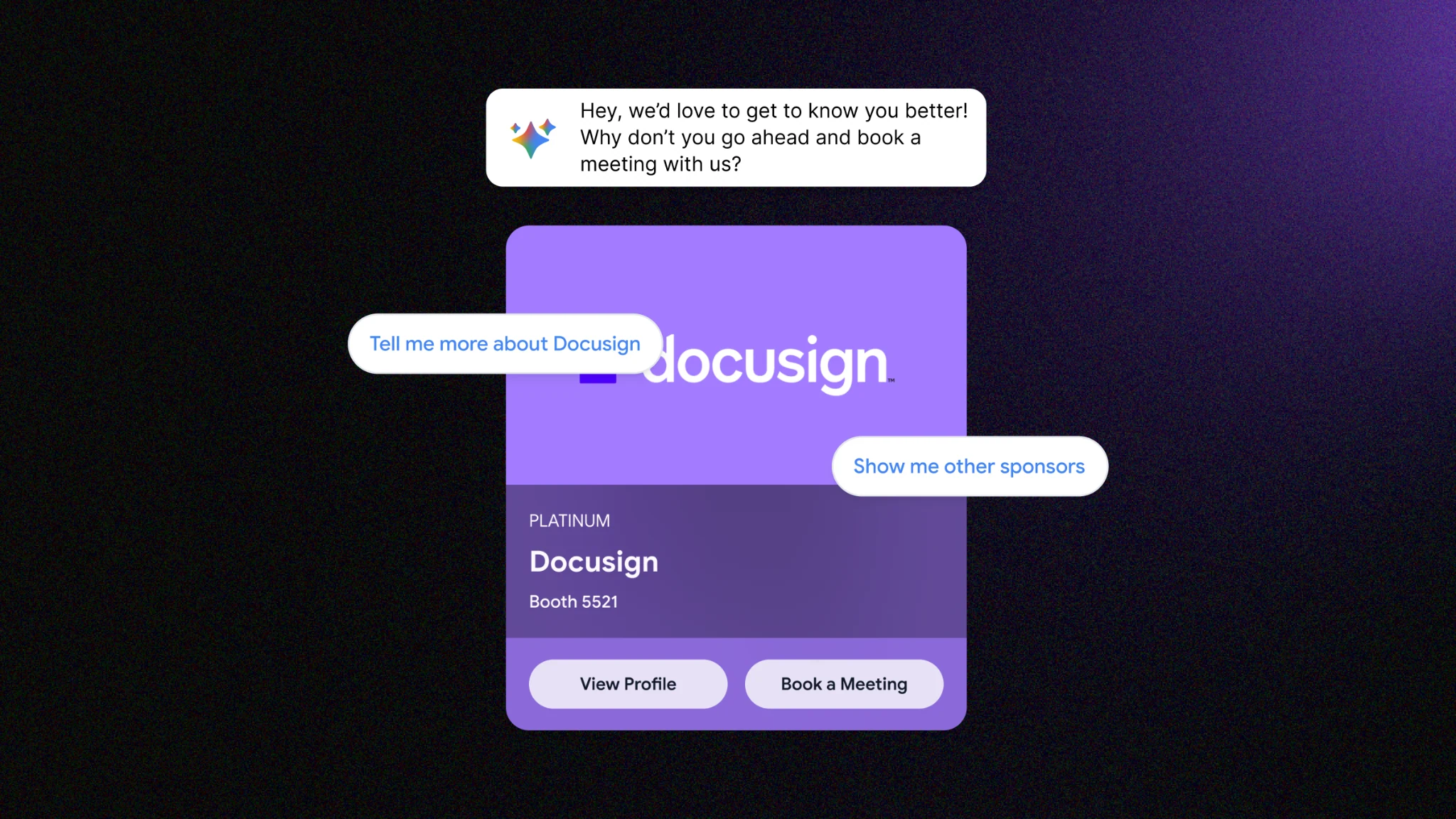
A booth's biggest problem usually isn't traffic volume, it's traffic quality. AI-driven matchmaking looks at attendee behavior and intent signals, then suggests the three or four sponsors an attendee should genuinely care about, instead of leaving discovery to a static directory or a lucky walk down the right aisle.
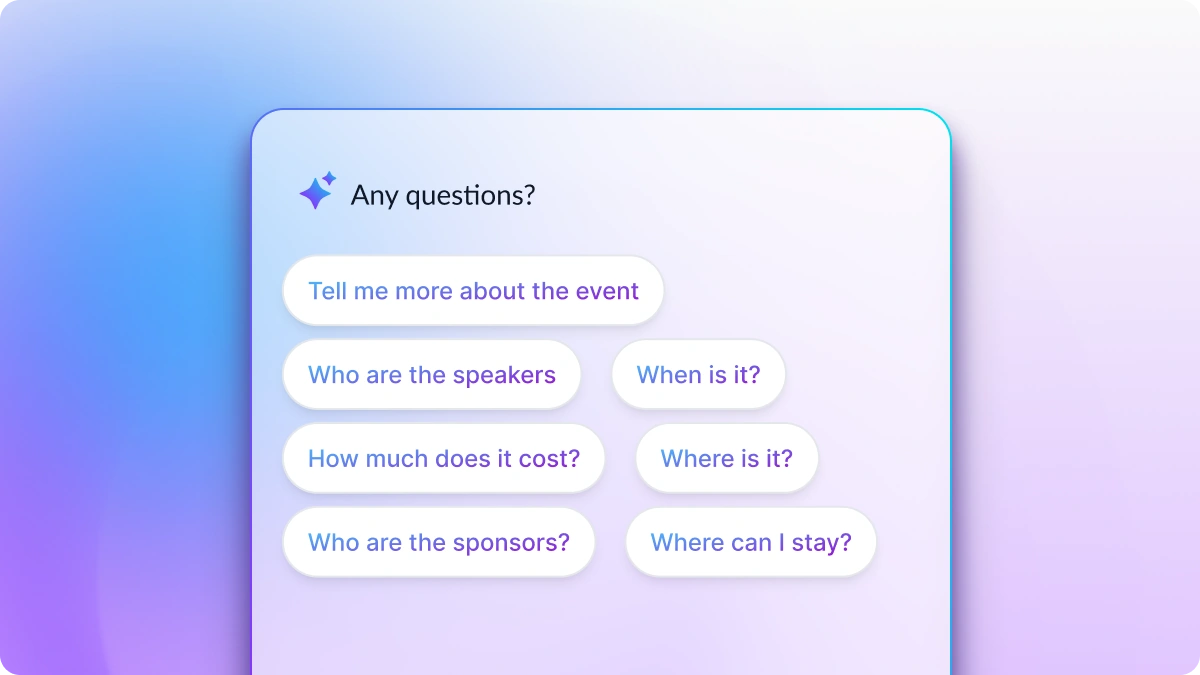
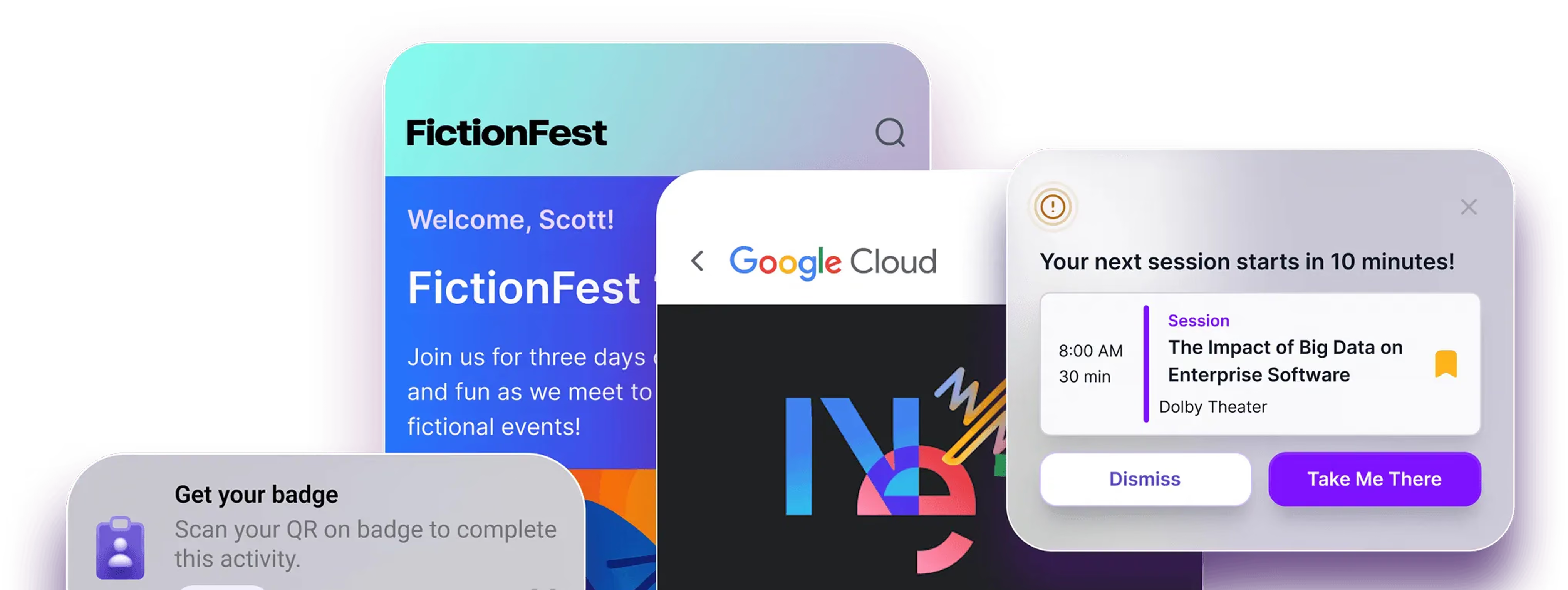
For sponsors, that means less time explaining what their product does to people who were never going to buy it, and more time in conversations that actually go somewhere. Amego's Sidekick uses location-aware prompts to alert attendees about nearby sponsors or experiences relevant to their interests, so booth traffic starts to look less like foot traffic and more like a qualified referral. You can see how that pairs with attendee-facing personalization in our piece on what event attendees actually want in 2026.
Sponsors used to find out how their activation performed when the post-event report landed, days or weeks after they could do anything about it. AI changes the timeline. When twelve attendees from a sponsor's target account list walk past their activation, that's a signal that can trigger outreach immediately instead of getting buried in a spreadsheet later.
That real-time visibility also means sponsors and organizers can react mid-event. If a booth is underperforming on day one, there's still time to adjust staffing, push a targeted notification, or reroute foot traffic before the event ends, rather than diagnosing the problem after everyone's gone home.
Speed after the event matters as much as anything that happens during it. Leads contacted within 24 hours convert at three to five times the rate of leads contacted later, and generative AI is what makes that speed realistic at scale, drafting personalized follow-up messages and summarizing booth conversations from voice notes so sales teams aren't starting from a blank page three weeks after the event ends.
This is the same problem we covered in 5 signs your event app is costing you sponsor revenue: manual lead capture and slow follow-up quietly bleed pipeline. AI doesn't just speed up the process, it removes the excuse for the delay in the first place.
The most durable change AI brings to the sponsor experience is reporting that actually means something. Instead of a slide with a booth traffic estimate, sponsors can get dashboards showing booth dwell time, session attendance overlap, post-event engagement, and pipeline contribution, closed-loop numbers that tie a sponsor's activation directly to qualified meetings and revenue influenced.
That's the difference between a sponsor renewing because the event "felt good" and a sponsor renewing because they can show their own leadership exactly what the sponsorship produced.
None of this requires sponsors to do more work. It requires the event app to do more of the work for them: sending the right people to the right booth, surfacing signals in real time, speeding up follow-up, and packaging the result into a report a sponsor can actually use internally. That's the standard sponsors are starting to expect, and it's set by whichever event delivers it first.
Amego's Sidekick handles the matchmaking and real-time nudges, while our lead scanning and capture tools take care of qualification, CRM sync, and reporting on the back end. You can see how they work together on the Sidekick AI event app page, and if you want the fuller distinction between reactive tools and something that actually acts on a sponsor's behalf, our breakdown of agentic AI vs. event chatbots covers that shift in more depth.

Sign up for our newsletter
Get insights delivered to your email.